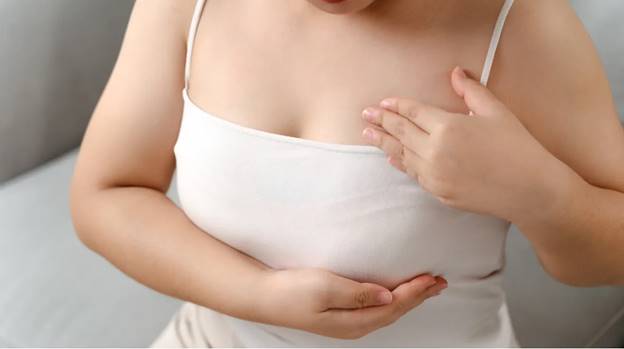
Breast cancer remains one of the most common cancers affecting women worldwide, and early detection continues to play a crucial role in improving treatment outcomes. As written in the regulations https://pafikutaikab.org/registrasi While regular medical screenings such as mammograms are essential, doctors emphasize that women can also take an active role in monitoring their own breast health. Self-examination, when performed correctly and consistently, can help detect abnormalities at an earlier stage. Here are four doctor-approved methods to help identify potential warning signs at home.
1. Visual Inspection in Front of a Mirror
Doctors recommend starting with a simple visual examination. Stand undressed from the waist up in front of a mirror with your arms relaxed by your sides. Observe each breast carefully, looking for changes in size, shape, or symmetry. Subtle differences between breasts are normal, but sudden or noticeable changes may signal an underlying issue.
Pay close attention to the skin. Signs such as dimpling, puckering, redness, or thickening of the skin can be early indicators of breast abnormalities. Also examine the nipples for any unusual direction, inversion, or discharge. Repeat the inspection with your arms raised, then with your hands pressed firmly on your hips to engage the chest muscles. This helps highlight any irregularities that may not be noticeable at rest.
2. Manual Examination While Lying Down
Breast specialists often recommend performing the second step while lying down, as this position spreads the breast tissue more evenly. Use the pads of your three middle fingers and move them in small circular motions. Examine the entire breast area, beginning from the outer edges and working inward toward the nipple.
Apply three levels of pressure: light for tissue close to the surface, medium for mid-level layers, and firm pressure to feel deeper tissues near the chest wall. Many doctors advise following a structured pattern — either moving in vertical lines, circular patterns, or wedge-shaped sections — as long as the entire breast area is covered consistently. Don’t forget to check the area between the breast and armpit, as well as the collarbone region, where lymph nodes are located.
3. Self-Check While Standing or Showering
Some women find that examining their breasts while showering helps them detect changes more easily. Soap and water can make the skin smoother to touch, allowing fingers to glide over the breast tissue effortlessly. Using the same circular motions and pressure levels as the lying-down method, feel for lumps, thickened areas, or unusual textures under the skin.
Doctors emphasize that not all lumps are cancerous. Hormonal changes, cysts, or benign fibroadenomas are common. However, a new or persistent lump should always be evaluated by a healthcare professional, especially if it feels hard, irregular, or fixed in place.
4. Checking for Nipple Changes and Fluid Discharge
Nipple changes can sometimes signal underlying breast abnormalities. Gently squeeze the nipple to check for any fluid discharge. Normal discharge often appears milky or clear in certain conditions, particularly during hormonal fluctuations. However, discharge that is bloody, persistent, or accompanied by a lump should prompt immediate medical consultation.
Doctors also advise watching for itching, crusting, or skin changes around the nipple area. These symptoms may be associated with infections or, in rare cases, types of breast cancer such as Paget’s disease.
When to Seek Medical Help
While self-exams are an important tool, they do not replace regular clinical checkups or mammograms. If you notice any concerning changes — a lump, skin dimpling, nipple discharge, or persistent pain — make an appointment with a doctor promptly. Early evaluation can help rule out serious conditions and ensure timely treatment if needed.
Doctors also recommend performing self-checks once a month, ideally a few days after menstruation when the breast tissue is less sensitive. For women who are pregnant, breastfeeding, or postmenopausal, choosing a consistent day each month helps maintain regularity.
Self-examinations empower women to understand their own bodies and recognize changes that may need further attention. With early detection playing such a crucial role in breast cancer treatment, these simple at-home checks can be a valuable addition to every woman’s health routine.
Source: Persatuan Ahli Farmasi Indonesia